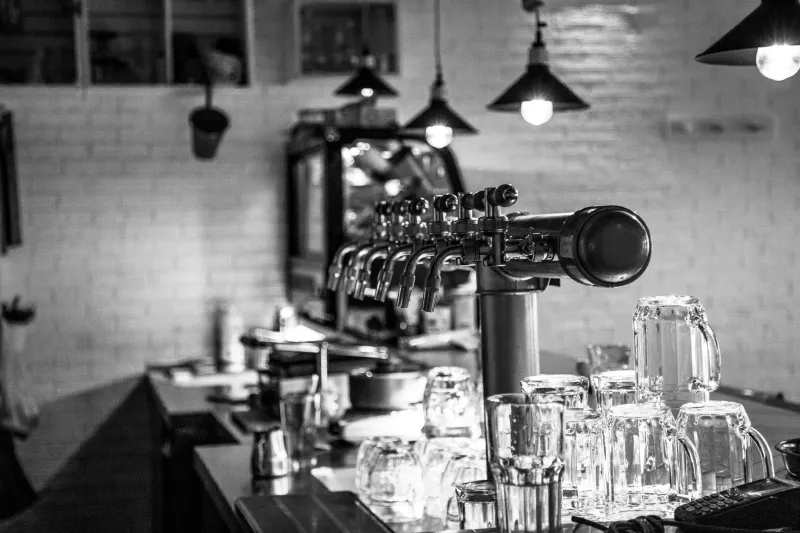
The Quiet Work Behind a Proper Pint: Inside the Black Horse Cellar
Ask someone what makes a good pint and they’ll talk about the pour, the glass, the first sip. Ask what makes a consistently good pint and the answer moves downstairs. At the Black Horse, the cellar is not a storeroom. It’s a workshop. It’s where the quiet work happens — the checks, the cleaning, the patience — long before anyone leans on the bar and says, ‘That’s a lovely pint.’
Cask ale has a reputation for being temperamental. Some of that is fair. It is a living product, and it doesn’t respond well to being rushed or ignored. But most of the time, a pint that tastes tired or flat isn’t a mystery. It’s a set of small decisions that went slightly wrong, or a set of small decisions that were made properly and saved the day. In a village pub, those decisions happen every day, mostly out of sight.
A cellar is a set of small decisions
Temperature is the first one. Cask ale is not supposed to be ice-cold. The sweet spot is somewhere around 11 to 13 degrees Celsius — cool enough to refresh, warm enough to let the malt and hops speak. In winter, a cellar can get too cold. In summer, too warm. The aim is steady, not dramatic. A thermometer on the wall gets checked more often than most customers would guess. It’s not glamorous work, but it is the difference between a pint that tastes of something and a pint that tastes of nothing much at all.
Clean lines, clear pint
Then there are the lines. Beer lines need cleaning on a regular schedule — weekly, in most pubs that take cask seriously. It’s a job that smells of chemicals and takes longer than it should. Nobody puts it on the specials board. But if a pint tastes a bit off, the brewer is often blamed for something that happened between the cask and the glass. Clean lines are the quiet guarantee behind every pour. So is a clean glass, properly rinsed. It sounds obvious. It is also the first thing to slip when a pub gets busy.
The patience of settling
Cask ale is alive. After delivery, it needs time to settle — usually 24 to 48 hours, sometimes longer depending on the beer. Then it needs venting, tapping and watching. A hard spile or a soft spile, a bit of judgement about condition, a check on how it’s clearing. Rushing a cask is the fastest way to ruin a good beer. A village pub doesn’t always have the luxury of a huge cellar, so the timing has to be sharper. You learn to plan ahead. You learn to keep a spare cask settling while the one on the stillage is finishing. You learn that patience is a practical skill.
The brewers up the road
There’s a relationship side to all this, too. The Black Horse works with brewers in Northamptonshire and just over the border — some large enough to have a delivery schedule, some small enough that the person who brewed the beer might also be the person who drops it off. Those relationships matter. A brewer who can tell you how a beer has been conditioned, or answer a question about a cask that’s behaving oddly, is worth more than a glossy pump clip. Good cellar management is a conversation as much as a checklist.
The person behind the bar
Cellar work is done by people who also pull pints, clear tables and remember your order. They can tell when a beer is about to turn. They know which cask has been on longer than it should. They make the call on whether to put the next one on or give it another few hours. It’s a craft of attention — not the kind that gets awards, but the kind that keeps regulars coming back. In 2026, with costs rising and pubs closing, that kind of attention is worth more than ever.
Why it matters in a village
A village pub can’t rely on passing trade. The same people come through the door. The pint has to be right because the person drinking it will be back next week, and the week after, and they’ll tell you if it isn’t. That’s not pressure. It’s a useful kind of accountability. A proper village pint is not an accident. It’s a daily act of care, from the temperature of the cellar to the cleanliness of the line to the patience of the person who decides when to tap the next cask.
So next time you’re in, and the pint is exactly as it should be, raise a glass to the cellar. It’s where the quiet work happens — and it’s why the Black Horse can be a proper local rather than just a destination.