A Half, a Ledge and Ten Minutes: The Case for the Unbooked Pint
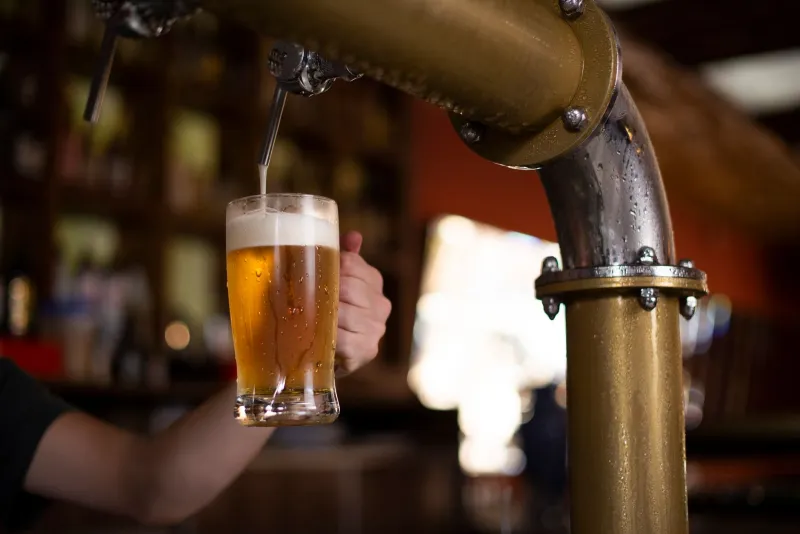
There is a piece of the Black Horse bar that does not appear on the booking sheet. It is the stretch nearest the door, the one with the scuffed paint and the brass footrail, where the hand pumps are close enough to read without leaning. There are no stools there by design. You stand, you lean, you put your half down, and you get on with it.
To a certain kind of pub operator, that is wasted space. Every square foot should have a chair, a table number and a QR code. To a village, it is the most useful bit of the building.
The Trouble With a Fully Seated Pub
A pub that is fully reserved is a restaurant with beer. There is nothing wrong with restaurants, but they are not the same thing. If every table is booked, the person who has just walked in from a muddy field with the dog has nowhere to be. The parent who has twenty minutes between the school run and the next job cannot justify a table for two hours. The farmer waiting for a lift does not want a menu; he wants a pint and a wall to lean on.
The unbooked pint is not a lesser experience. It is a different one. It is the pub doing what only a pub can do: making room for the unplanned.
What the Standing Corner Is For
On any given weekday, that stretch of bar hosts more village life than the dining room. Someone pops in for a swift half before choir practice. A couple on their way back from Peterborough stop for a bag of crisps and a pint of bitter. A dog walker comes in at four with wet boots and a Labrador that knows exactly where the water bowl is. A neighbour who has just had news — good or bad — leans on the ledge and tells whoever is behind the bar first.
None of these people need a table. They need a few minutes, a bit of company and a drink that has been looked after properly. The standing corner gives them that without making them feel they are taking the mickey.
The Etiquette of the Ledge
Standing at the bar comes with its own rules, and most of them are about not being a nuisance. Buy a drink before you settle in. Do not lean across the hand pumps when someone is trying to order. Move for service without being asked. Keep your coat and your bags off the ledge; it is a bar, not a cloakroom. If you are eating a bag of pork scratchings, do it with some care — the floor is old and the crumbs travel. Pickled eggs are there to be eaten, not juggled. And if you are only having the one, say so; nobody will think less of you.
The ten-minute pint is an art, not a race. It is long enough to hear the head on the beer settle, short enough to fit between other things. You can have a proper conversation in ten minutes if you are not trying to have three at once. You can also say nothing at all and simply enjoy standing somewhere that is not your own kitchen.
Why the Corner Stays Free
The Black Horse could fit another two tables into that space. It would make the numbers look better on a spreadsheet. It would also make the pub smaller in the way that matters. A village pub needs a bit of slack — a place where people can arrive without a plan and still be welcome. The standing corner is that slack.
It also keeps the bar staff in the conversation, which is where they belong. A bar is not a service hatch. If you are standing at it, you are part of the room. You hear things. You learn who is poorly, who has a new job, whose roof is leaking. That is not gossip for its own sake; it is the everyday wiring of a village.
Defending the Scruffy Bit
There is a temptation, when a pub is doing well, to tidy everything up. New chairs, matching glassware, a sign asking you to wait to be seated. All fine in moderation. But a pub that has no scruffy bit left is a pub that has stopped being useful to the people who need it most.
The Black Horse will keep its standing room. The tables can be booked; the ledge cannot. Come in for a quick half, lean on the bar, say hello to whoever is there, and be gone in ten minutes. That is not a lesser visit. It is the village pub doing its job.