The Pudding That Answers Back: One Bowl, One Spoon, One Village
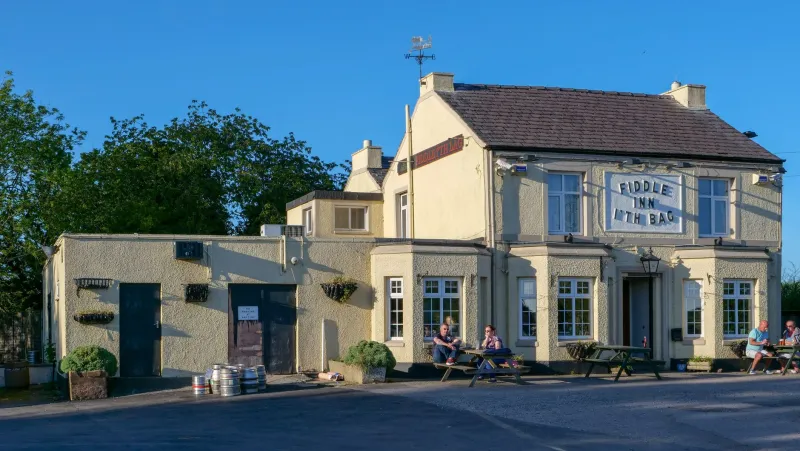
Stir-Up Sunday at the Black Horse does not begin with a speech. It begins with a small scuffle over who gets the wooden spoon first. On Sunday 22 November 2026, the big bowl will be on the long table, the dried fruit will have been soaking overnight in local ale, and someone will already be saying that there is too much peel. There is always too much peel. There is also never enough peel. Both positions are held firmly, often by the same person within ten minutes.
That is the sound of a village pudding being made. Not a silent kitchen, not a recipe card propped against a tin, but a room full of people who have opinions and are not afraid to share them. The Black Horse is a pub, so the opinions arrive with pints. The pudding arrives with a spoon.
A Bowl, a Pint and a Bit of a Row
Stir-Up Sunday is the last Sunday before Advent, and in 2026 it falls on 22 November. The name comes from the old collect for the day, with its line about stirring up, and the domestic tradition that grew around it: families mixing their Christmas puddings and giving everyone a turn with the spoon. At the Black Horse, that tradition is kept in the pub rather than the parish hall. It is not a performance. There is no stage, no microphone and no certificate. There is a bowl, a cloth, a jug of ale and a great deal of unsolicited advice.
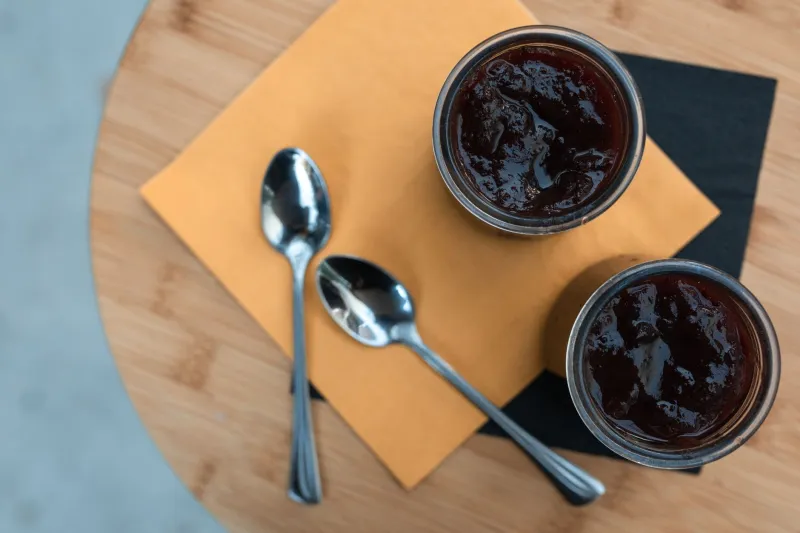
The pudding itself is a simple thing: dried fruit, suet, sugar, breadcrumbs, spice, citrus, eggs, a little ale and a glug of something stronger. The exact amounts are less important than the order of events. The fruit is soaked. The dry things are mixed. The wet things are added. The whole lot is stirred, tasted, argued over and stirred again. Then it is spooned into basins, covered, tied and steamed for hours. After that it is wrapped and left alone in a cool place until Christmas Eve.
No shortcuts. That is the point. You can buy a very good pudding from a shop, and nobody at the Black Horse will march you out of the village for doing so. But the pudding made on Stir-Up Sunday is not trying to be convenient. It is trying to be slow. It is trying to make the waiting part of the meal.
The Rules Are Mostly Habits
There are rules, though nobody has written them down. Stir east to west, someone will say, because that is what their grandmother did. Someone else will say it does not matter which way you stir as long as you make a wish. A third person will insist that the spoon must be wooden, as if a metal spoon might offend the fruit. The truth is that the rules are mostly habits, and the habits are mostly a way of making sure everyone gets a turn.
The fruit has been soaking since the night before. The ale is local, because this is Nassington and the pub has a reputation to keep. The spice is measured by eye, which is to say by argument. One person wants more nutmeg. Another wants less. Someone mentions cloves and is briefly shouted down. The pudding survives all of it. It is a forgiving mixture, which is just as well.
What matters is that the pudding is made in November, not on Christmas Eve. That gap is not empty time. It is the whole point. A pudding made on 24 December is a pudding. A pudding made on 22 November, wrapped and stored and fed with a spoonful of ale now and then, is a calendar you can eat. It has had time to settle. The fruit has softened, the spice has mellowed, the ale has done its quiet work. By Christmas Eve, the flavours have stopped shouting at each other and started behaving like a family.
Why Christmas Eve Tastes Different
There is a practical reason the November pudding tastes different. Maturation does something to a Christmas pudding that no last-minute mixing can imitate. The sugars and acids settle. The texture tightens. The alcohol softens at the edges. When it is reheated on Christmas Eve, it does not taste like a list of ingredients. It tastes like one thing.
But there is a less practical reason too, and it is the one that matters more in a village. The pudding carries the memory of the day it was made. When you eat it, you do not just taste raisins and spice. You taste the afternoon in the pub: the rain on someone's coat, the pint set down beside the bowl, the argument about peel, the child who stirred with both hands and made a wish that was probably about Lego. That is not sentimentality. It is slow food doing what slow food does. It folds time into flavour.
A pudding made in a factory is consistent. A pudding made in a pub is specific. It belongs to a place and a group of people. It has a date on it, even if the date is not written down.
The Spoon Is the Point
The wooden spoon is not ceremonial. It lives in a drawer. It is worn at the edge and stained dark from years of fruit and ale. It has no plaque and no name. But when it is passed from hand to hand, something small happens. The regular at the end of the bar gets it. The newcomer who has lived here for three months gets it. Someone's visiting aunt gets it. A child gets it, with a grown-up's hand over theirs. The spoon does not care how long you have lived in Nassington. It only cares that you take your turn.
That is what a shared spoon says about belonging. It says that belonging is not a membership card or a password. It is being handed something and expected to use it. It is being allowed to have an opinion, even a wrong one about peel. It is being part of the noise.
Come and Stir, or Just Come and Watch
On Sunday 22 November 2026, the bowl will be out at the Black Horse. Come for a stir. Stay for a pint. Bring an opinion, or borrow one from the person next to you. If you only want to watch, that is allowed too. The pudding has enough hands, and the pub has enough room.
The pudding will be steamed, wrapped and put away. It will sit quietly while the village gets on with November. Then, on Christmas Eve, it will come back to the table. It will taste of fruit and spice and ale, but also of a Sunday afternoon when the light was going and nobody was in a hurry. That is not a shortcut. That is a village, stirred into a pudding.