Ears First: A Day of Small Sounds at the Black Horse
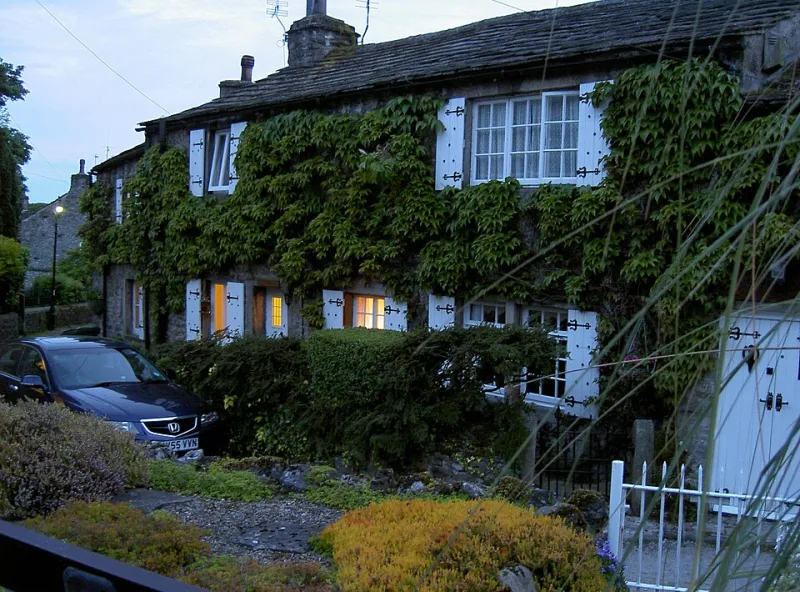
Photo: Neil Owen , CC BY-SA 2.0, via Wikimedia Commons
You can hear the Black Horse before you see the bar. Not in any dramatic way. There is no soundtrack, no piped music spilling into the lane. But walk up from the village on a damp November morning and the pub is already talking: gravel shifting under your boots, a door easing on its hinge, the faint clink of glass from somewhere behind the windows. Nassington is not a loud place. That is precisely why the small sounds matter.
A pub’s character is usually described in terms of what you can see — the beams, the chalkboard, the row of pumps. But sit still for a day and another picture emerges. The Black Horse has a soundscape as recognisable as its front door, and most of it is made by ordinary things: boots, chairs, cutlery, barrels, dogs, people saying hello. None of it is designed to impress. All of it tells you where you are.
Before the Door Opens
The first sound of the day is metal on metal: a key finding the lock. It is a modest noise, but it changes the building. Before that, the pub is just a shape on the lane. After it, the place starts to breathe.
Inside, the cellar hum begins its long shift. It is not a sound you notice consciously, not unless someone switches it off. It sits underneath everything — a low, steady note from the cooling and the lines and the quiet machinery that keeps a proper pint in condition. In summer it is a background comfort. In autumn, with the door shut against a raw wind, it sounds almost like the building clearing its throat.
Then come the smaller rituals. A crate shifted. A glass stacked. The tap of a knife against a chopping board. The specials board being lifted onto its ledge. These are not performances for an audience. They are the sounds of a pub getting itself ready, and they carry a promise that is hard to put on a website: someone is here, and something is being prepared.
The Chalk Finds Its Voice
Mid-morning, the specials board gets its daily edit. The squeak of chalk is one of the most distinctive sounds in any pub, and also one of the most revealing. A quick, confident stroke means the kitchen knows exactly what it is doing. A pause, a rub with a cloth, a second attempt — that is the sound of a menu being thought through rather than printed.
At the Black Horse, the board is not a permanent monument. It changes with what is good and what is around: a glut of local produce, a cut that suits the weather, a pudding that has earned its place. The chalk squeak is the sound of that flexibility. It is also, if you listen closely, the sound of a village pub refusing to pretend that every day is the same.
By midday the board is done. The first customers arrive, and the soundscape shifts again. Gravel gives way to the doormat. Boots are wiped. A dog shakes itself off. Someone says “bit nippy out” and someone else agrees. The pump handle comes down with a soft, solid clunk — a noise that manages to be both mechanical and reassuring.
The Layers of a Full Room
A busy pub is never one noise. It is layers. There is the top layer: conversation, laughter, the odd clatter of cutlery. Underneath that is the middle: chairs scraping, the till drawer, the fridge door opening and closing. And underneath it all is the cellar hum, still there, still working, still holding the whole thing up.
What makes the Black Horse feel like itself is the proportion of those layers. It is not a shouted room. It is not a silent room either. It is a room where you can hear the person across the table without raising your voice, and where the kitchen can be heard just enough to remind you that lunch is being made rather than assembled.
Autumn sharpens this. The windows stay shut. The door opens less often. The sounds inside become more defined: the tick of the clock, the hiss of the coffee machine, the particular thud of a full glass being set down on a wooden table. Rain on the roof is a bonus. So is the distant tractor that always seems to pass at exactly the wrong moment, doing its own small turn in the village’s daily soundtrack.
The Afternoon Lull Is Not Silence
There is an hour in the afternoon when the pub seems to go quiet. The lunch plates are cleared. The chairs are pushed back. The bar is wiped down. To a passer-by, it might look empty. It is not. It is simply between verses.
The dishwasher has its say. The cellar hum carries on. A delivery crate is moved. Someone in the kitchen is doing prep, and the sound of a knife on a board drifts through the gap under the door. Outside, the village takes over: a car slowing for the bend, a gate closing, the Nene somewhere beyond the gardens, not loud but present.
This is the part of the day that makes the evening possible. A pub’s quiet hours are not dead air. They are maintenance, preparation and recovery — the practical rhythm that keeps a small place running. If you want to understand a village pub, listen to it when nobody is asking you to.
Boots, Barks and the Pump’s Thunk
By six o’clock the sound changes gear. Gravel under boots again, but faster now. The door opens with purpose. Coats are unzipped. A dog pads in and settles under a table with a sigh. The first pint of the evening gets its pump-handle thunk, followed by the soft settle of the glass on the bar.
These are the sounds of people coming back into themselves after a day. The conversation is different from lunchtime — less about the food, more about the week. The laughter comes in shorter bursts. Someone recognises someone else’s voice before they see them. That is a village pub sound, too: the way a room acknowledges an arrival without anyone making a fuss.
And then, at the end, the last fork. It is a tiny noise, easily missed, but it marks the shift from eating to lingering. Plates go back. Chairs are pushed in. The chalkboard is wiped clean for tomorrow. The cellar hum remains.
The Quietest Pub Is Still Speaking
When the lights go off and the door is locked, the Black Horse is not silent. The fridge still hums. The building settles. The lane outside has its own small noises — a hedge moving, a distant gate, the last car heading somewhere else. The pub is simply speaking more quietly.
That is the thing about a place like this. Its sounds are not attractions. They are evidence. Evidence that the cellar is working, the kitchen is preparing, the board is being rewritten, the room is being used. A village pub does not need to be loud to be alive. It just needs to be listened to.