The Garden Doesn't Close, It Waits: A Late-Autumn Farewell at the Black Horse
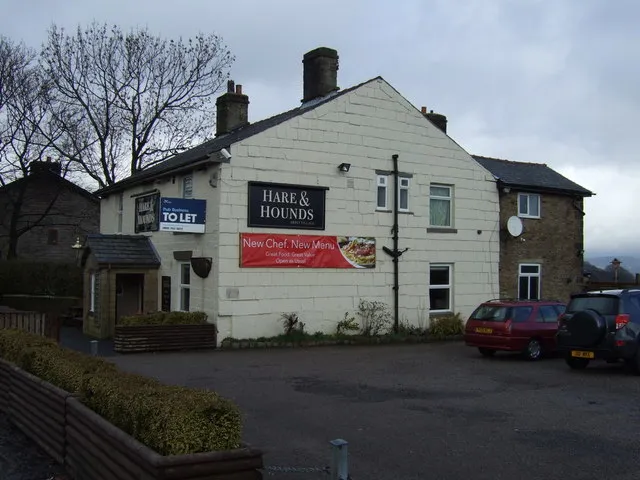
Photo: JThomas , CC BY-SA 2.0, via Wikimedia Commons
By the middle of November, the Black Horse garden has usually made its mind up. The sun sits low behind the village roofs, the benches hold the cold a little longer each morning, and the last few leaves on the far hedge have stopped pretending they are staying. Yet there is always a table or two still occupied on a bright Tuesday afternoon, pints on the wood, coats done up to the neck, and someone saying, quite seriously, that it is not that cold if you keep your hands round the glass.
That is the week this piece is about. Not the grand shutting-up, but the slow, slightly stubborn business of putting the garden to bed for winter. It is a village ritual in its own right, as familiar as the first fire in the grate or the first Christmas ale on the board. Nobody sends out invitations. It simply happens, one chair at a time.
The Week the Benches Earn Their Keep
Late autumn is the garden's last stand, and it has a character all of its own. The light is thinner but sharper. The Nene valley mornings are often misty, and by mid-afternoon the low sun can make the brickwork glow in a way it never quite manages in July. The garden is quieter then, too. The families with small children have drifted back to earlier teas and warmer rooms. The summer visitors have gone. What remains is a hard core of locals who know exactly where the sheltered corner is and which bench catches the last of the light.
These are the people who keep outdoor pinting going until it genuinely cannot go any further. They are not reckless. They are simply reluctant to give up the small pleasure of sitting outside with a drink in a village they know well. A half of something dark, a packet of crisps, a dog asleep under the table: it is not complicated. But it is one of the things that makes a pub feel like a pub rather than a room with a licence.
The staff, for their part, do not rush anyone. There is no announcement at four o'clock telling everyone to come inside. The garden closes by consent, not by decree. Someone will eventually look at the sky, rub their hands together, and say, 'Right, I think that's me.' Then another will follow. The last table will sit a little longer, because the last table always does.
Draining the Parasol, Stacking the Chairs
The practical side of closing the garden is not glamorous. The parasol has to come down and the canvas has to dry properly before it is stored, otherwise it will spend the winter growing things nobody ordered. The chairs are stacked, but not all at once. Some are kept out for the hardy ones. The cushions go into the dry. The planters are tidied, the deadheads cut back, the soil turned over where it needs it. The chalkboard that lists outdoor drinks and snacks is wiped clean and brought inside.
None of this takes very long, but it is worth noticing. A pub garden in winter is not abandoned. It is resting. The benches are still there under the hedge. The tables are still bolted down. The ground is doing whatever ground does when nobody is standing on it. By the time the first proper frost arrives, the garden will look smaller and barer, but it will not look forgotten.
There is a moment in all this when the garden seems to change hands. The parasol comes down with a flap and a rattle. The stacked chairs make that particular hollow wooden sound. The last outdoor glass is carried in. And then the pub gets a little fuller, a little warmer, and the fire becomes the centre of things again. It is not a sad moment. It is more like the turning of a page.
The First Proper Frost Is the Permission Slip
Hardy regulars will put up with a lot, but they tend to draw the line at a proper frost. That first hard morning, when the car windscreens need scraping and the grass crunches all the way to the gate, is the signal. Nobody argues with it. The outdoor pint becomes an indoor pint. The coat comes off. The chair by the fire is claimed. The garden is left to the birds and the occasional fox.
That is the handover. For a few weeks, the Black Horse has two centres of gravity, the garden and the fireside. Then the garden goes quiet and the fireside takes over. The pub does not shrink; it just changes shape. The same conversations carry on, only closer to the hearth. The same faces appear, only with less mud on their boots.
And because the garden has been put away properly, there is something to look forward to. The first warm evening of next year, whenever it comes, will be a small event in itself. Someone will carry a pint outside, test a bench with the back of their hand, and decide it is warm enough. The parasol will go back up. The chalkboard will come out again. The garden will not have changed much, but that is the point.
What We're Really Doing Out There
Closing the garden is not really about furniture or frost. It is about marking time in a village where the seasons still matter. The Black Horse has a foot in both camps: the cosy indoor pub and the open-air meeting place. Putting the garden to bed is how we respect the gap between the two.
So if you see a few chairs stacked by the wall and a folded parasol leaning in the shed, do not read it as the end of anything. The pub is still open. The fire is lit. The beer is on. The garden is simply waiting, the way a good village pub waits for its people to come back round the corner.