Pickled, Salted, Scratched: The Bar Snack That Has to Earn Its Pint
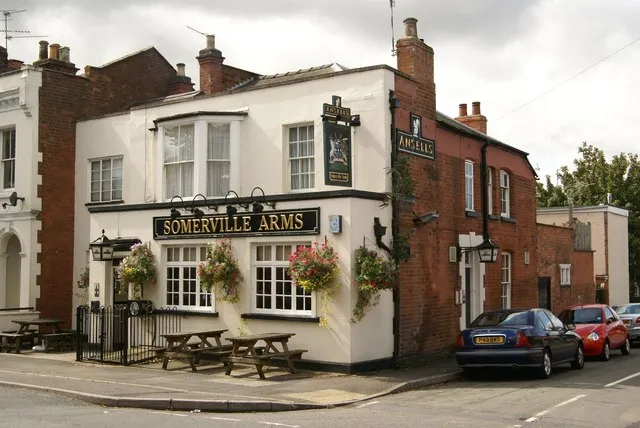
Photo: Colin Craig, CC BY-SA 2.0, via Wikimedia Commons
A pub bar is a small museum of things that used to be sensible. Pickled eggs, pickled onions, a jar with a spoon in it, a cheese cob under a cloth. None of these were invented as charming tradition. They were invented because they worked.
The jar before the packet
Consider the pickled egg. Eggs were cheap and, in spring, absurdly plentiful. A publican with a surplus and no kitchen could preserve them in vinegar and keep them on the bar for weeks, where they would sit and be salty and cost almost nothing. The same logic applies to the pickled onion, which has the additional advantage of being impossible to eat elegantly, and is therefore a great leveller.
Before the packet crisp, a pub might offer a plate of something — bread and cheese, a bit of cold pie, a pickled thing out of a jar. The bar snack was not a category. It was whatever the house had too much of.
The scratchings question
Pork scratchings are the great survivor. They come out of the same instinct as brawn and faggots and everything else that used to be called using the whole animal, before anyone thought to put it on a menu as a philosophy. The pork butchers of the Black Country are usually credited with turning rind into a trade, and by the middle of the twentieth century the little bag of scratchings was a fixture from Wednesbury to Wansford.
A good scratching is a serious piece of food: hard, salty, structurally alarming, and absolutely the correct thing beside a bitter. A bad one is a mouthful of salt and regret. There is no middle ground, which is why the board only carries them when we trust the batch.
Then came the crisp
The crisp arrived as a manufacturing idea looking for a market, and it found one. Flavoured crisps took off from the 1960s, and the wall of packets followed: a clipped, rustling wall behind the bar, thirty-odd choices, none of them made anywhere near here.
There is nothing wrong with a crisp. But a wall of them does something to a pub. It turns the bar into a service station aisle, and it makes the snack a transaction rather than a decision. When everything is available, nothing is chosen.
The cheese cob, and the case for doing one thing properly
A cheese cob is bread, butter, cheese. Sometimes onion. Sometimes pickle. It is the snack that quietly announces a pub has a kitchen and is not frightened of it, and it is a small meal if you are the sort of person who has walked three miles for it.
We do ours with a Northamptonshire cheese, a decent butter, and a chutney that changes with whatever the garden has produced too much of. In December that means something dark and vinegary with apple in it.
Why the board is small
Eight things on the bar is not a menu. It is a promise about rotation. A board has to be believable: everything on it must sell within the days it stays good, and everything must be worth the shelf space it occupies. A big board means slow-moving stock, and slow-moving stock means the pickled egg that has been there since the summer.
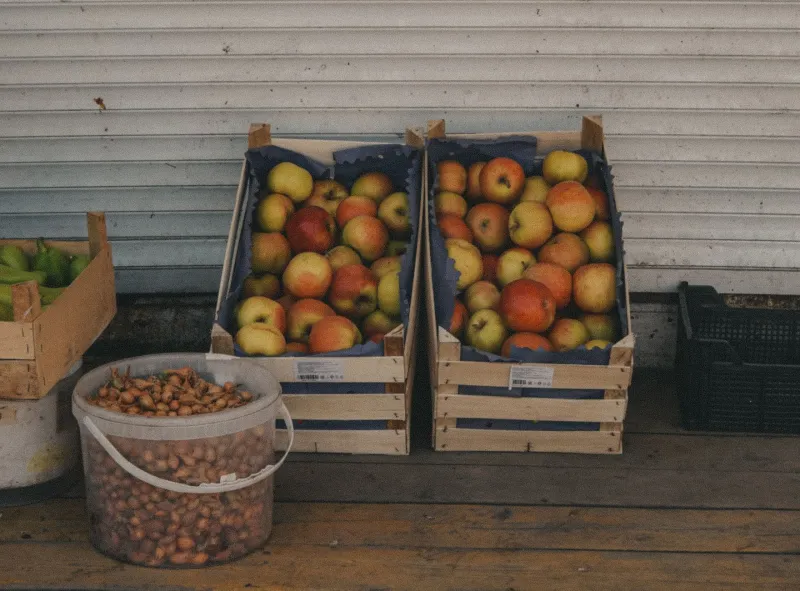
Small also means seasonal. In June the board might lean on radishes, a soft cheese and a bowl of peas. In December it is saltier, darker and more substantial — scratchings, a mature cheese, pickled walnuts, a pot of something warm.
What earns a place
Four rules, applied without much sentiment:
- It must be salty enough to make the second half of the pint taste like a decision worth making.
- It must be shareable, or at least look as though it could be.
- It must be eatable one-handed, standing up, without a plate you have to balance.
- It must be made or sourced close enough that we could drive there and back before the lunch service.
The crisp fails the fourth rule and passes the first three, which is why a bag still exists behind the bar for anyone who wants one. It just does not get a wall.
The board this December
Pickled eggs, some of them done with beetroot so they come out the colour of a bruise and taste of vinegar and earth. Scratchings, when the batch is right. A cheese cob, cut in halves and served with a knife you do not really need. A small pot of pickled walnuts for the people who know. And a bowl of something warm when the kitchen has it going spare.
Order two things. Or order one thing and a second half. The board is not there to be a meal. It is there to be the ten minutes that make the pint last.