The Quietest Hour, Then the Long Table: Remembrance Sunday at the Black Horse
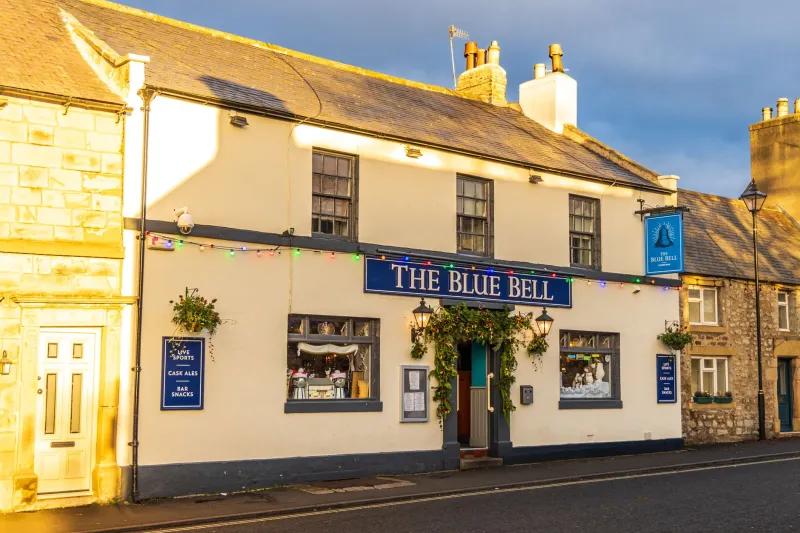
The village comes in slowly. First a couple in dark coats, then a knot of people who have walked up from the memorial, then someone's grandson in a coat that is a size too big. By the time the Black Horse doors are open, the church bells have stopped and the air outside has that November edge to it. Nobody is in a hurry to say anything.
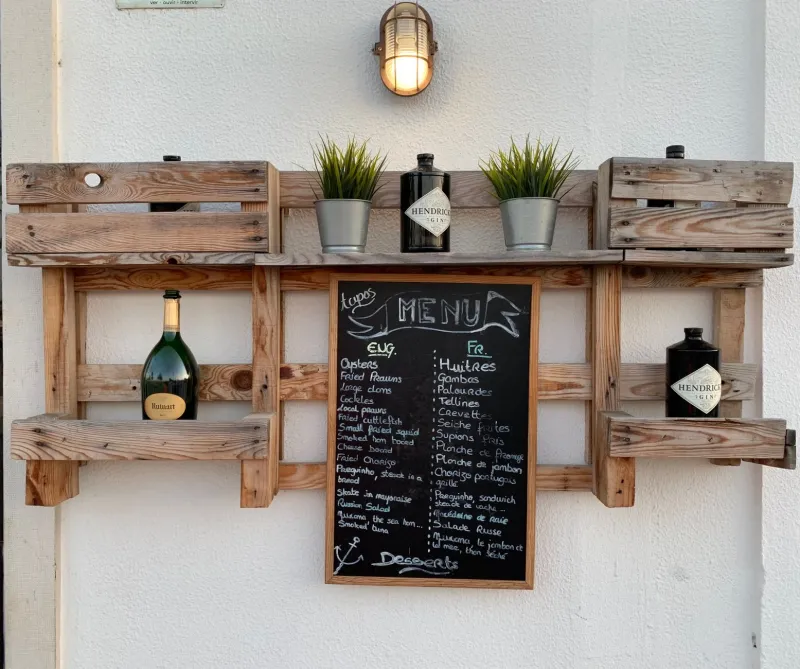
Remembrance Sunday is not a normal Sunday here. The pub is open, the fire is lit, and the kitchen has been working since early morning — but the room does not behave like a pub for the first hour. There is no playlist. The television stays off. The chalkboard is written, not decorated. Even the dog by the bar seems to understand that this is a morning for sitting still.
Before the First Order
The team is briefed the week before. Nothing dramatic: just a reminder that the two-minute silence is observed inside as well as out, that the door is not to bang, that the glass-washer waits. At eleven, whoever is behind the bar stops. Whoever is sitting stops. The silence is not performed for anyone; it is simply kept. Then the room exhales, someone quietly asks for a pot of tea, and the afternoon begins.
That pause matters more than any menu. A village pub is one of the few places where people who would not otherwise stand together can do exactly that — no programme, no ticket, no need to explain why you are there. The Black Horse does not turn Remembrance Sunday into an event. It keeps the room steady and lets the village use it.
What the Kitchen Does With a Cold Village
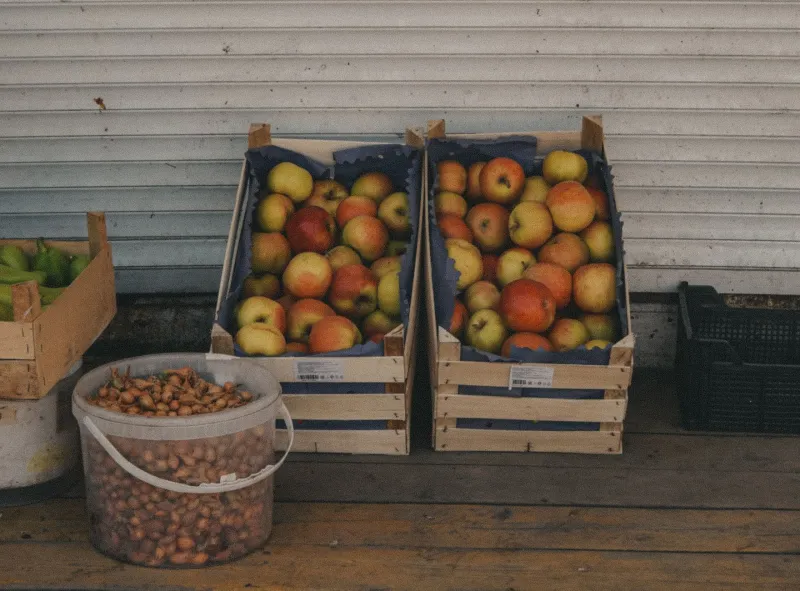
The food that follows is not designed to impress. It is designed to warm people up and keep them talking. This year the board leans on long cooking and local roots: beef shin braised slowly with ale and herbs, mustard mash, buttered greens; a mushroom and barley suet pudding for those who want something meat-free; roast parsnips from a crate that came in from a garden off Church Street; and an apple and blackberry crumble with proper custard.
It is the sort of cooking that suits a cold walk and a quiet mood. Nothing arrives on a slate. Nothing needs explaining. The plates are hot, the portions are generous, and the gravy is not a drizzle. If you have been standing in a churchyard for an hour, that is what you want.
The kitchen also knows that not everyone wants a full lunch. Some people come in for a bowl of soup and a half of something dark. Some want only tea and a seat by the fire. The menu leaves room for that. A pub that insists on a three-course performance on a day like this has misunderstood the brief.
The Table Is Not a Party
The afternoon stays quiet by design. There is no special offer, no music turned up later, no attempt to make the room festive. Remembrance Sunday is not a celebration, and the Black Horse does not pretend otherwise. People talk, of course — they always do — but the volume is lower, the laughter rarer, the conversations more likely to be about someone who is no longer here than about the week ahead.
That is not gloom. It is company. The pub gives the village somewhere to go after the formal part is over, when the wreaths have been laid and the coats are still on. You can sit with a neighbour and say nothing much. You can raise a glass without making a speech. The kitchen keeps sending food out, the fire keeps burning, and the room holds the mood without trying to change it.
The Half-Hour After
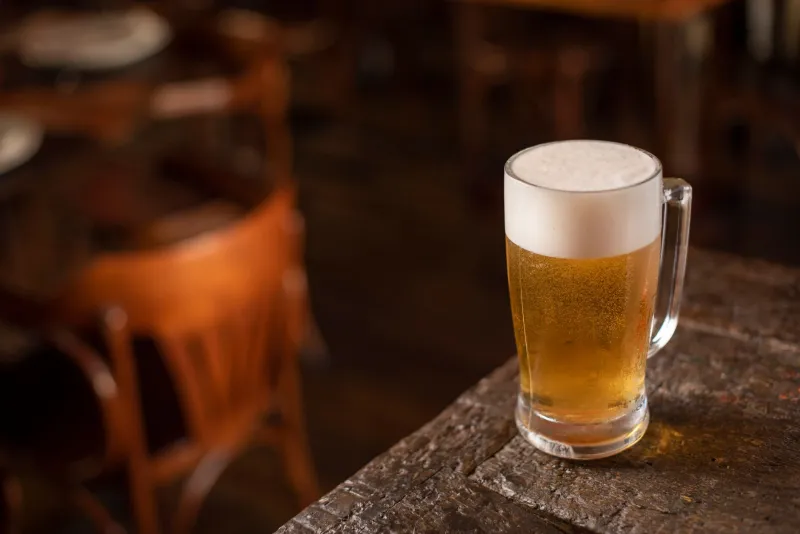
By two o'clock the room has softened. The first pots of tea have been replaced by pints, the crumble plates have gone back, and someone at the end of the bar is telling a story about a grandfather who worked on the railway. Nobody is performing remembrance; they are simply remembering, which is usually a quieter and more useful thing.
A few people will stay until the light goes. Others will drift home to put the kettle on. The Black Horse will clear the tables, stack the chairs, and open again for the evening as if nothing much has happened — which is the point. A village pub marks the day best by being ordinary in the right way: warm, open, unhurried, and willing to keep the silence when it matters.
A Note for Next Year
If you are planning to come after the parade, book a table if you want a full lunch; the kitchen fills up quickly and the afternoon is not one for turning people away at the door. If you only want a drink and a warm, the standing end of the bar stays free. Either way, come as you are. The Black Horse will be here, keeping the fire in and the volume down.