Steam, Suet and a Chalk Tick: Reading Nassington's Winter Through the Pie Board
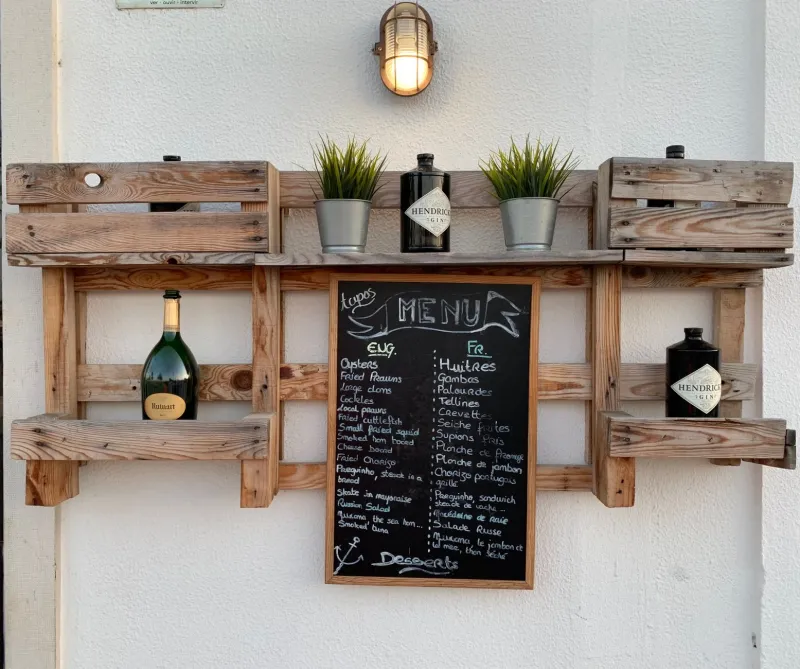
There is a moment, somewhere in the first week of November, when the kitchen at the Black Horse stops thinking in salads and starts thinking in lids. The pie board goes up by the bar, the chalk comes out, and for the next six weeks the village has a running record of its own winter appetite.
In 2026, the first pie went into the oven on 3 November: chicken, leek and bacon, with a lid brushed so patiently it looked varnished. By lunchtime there was a chalk tick beside it. By the end of the week there was a pattern. If you wanted to understand what Nassington wants to eat when the nights pull in, you could do worse than copy down the pie board every Friday.
The first bake sets the tone
The opening pie is never the most showy one. It is the handshake, not the speech. Chicken, leek and bacon does a particular job in early November: it is familiar enough for the regulars who are not quite ready to admit it is winter, but rich enough to make the first dark evening feel intentional. It also tells the kitchen whether the village is in a gravy-and-chips mood or a suet-and-green-veg mood. This year, the answer was both, usually at the same table.
By the second week, the board had settled into a rhythm. One slow-cooked pie, one game pie, one vegetable pie, and a wildcard that changes with whatever the growers and smallholders have spare. That wildcard is the interesting one. It is where the kitchen stops guessing and starts listening.
Where the fillings come from
A pie is a good way of tracing a local food chain because it hides nothing for long. The beef comes from a butcher in Oundle who knows the kitchen will ask questions about the farm, not just the cut. The root vegetables arrive from a grower near Woodnewton, often with mud still on them, which is exactly how the kitchen prefers them. The flour is milled up the Nene, and the herbs come from a garden in Apethorpe that seems to produce more parsley than any one household could reasonably need.
The game pie is the one that makes people lean over the bar. Venison from the estate country around Apethorpe and Fotheringhay, sometimes pheasant when the season allows, cooked slowly enough that the filling holds together without turning to paste. It is not a pie to eat in a hurry. It is a pie to eat while the window steams up and somebody at the next table tells you, unbidden, that they shot the ancestor of your lunch.
The vegetable pie changes most often. In early November it was squash, spinach and a sharp little cheese. By the end of the month it will be leek, potato and mustard. That is not a compromise for the non-meat eaters; it is a proper seasonal pie in its own right, and it sells out just as fast as the venison.
What the village orders
The pie board is a small piece of market research. Early in the season, the village orders comfort: beef and ale, chicken and leek, anything with a mash option. By mid-November, the game pie starts to move. By December, the kitchen can predict the Christmas rush almost to the hour: more venison, more root vegetables, more people asking whether they can take a whole pie home for visitors.
The choices also say something about how Nassington eats. People here are not fussy, but they are loyal. If a pie works, it comes back. If it does not, the chalk tick stays lonely and the kitchen notices. That is the advantage of a village pub: the feedback is not a star rating, it is a nearly empty board by 2pm and a regular saying, without ceremony, that the leek one was better last week.
A pint for every lid
Matching a pie to a pint is not a science, but it is not arbitrary either. The chicken and leek pie wants a session bitter with a bit of hop bite to cut through the cream. The beef and ale pie is happiest with a dark mild or a porter, something that echoes the gravy without shouting over it. The venison pie can take a stout, especially if there is a touch of sweetness in the filling. The vegetable pie is the easiest of the lot: a pale ale with a clean finish, or even a half of something crisp and cold.
The kitchen's own rule is simple: if the pie makes you want another mouthful, the pint should make you want another sip. Neither should win. A village pub is not the place for a tasting menu lecture. It is the place where a good pie and a local pint are allowed to get on with it.
The Christmas rush and after
By the middle of December, the board is less a menu than a timetable. Whole pies go out to village tables. The kitchen starts baking in batches, and the chalk is rewritten more often than the beer lines are cleaned. The last week before Christmas is not the time to experiment. It is the time to give people what they have been asking for since the first week of November.
Then, quietly, the board changes again. The game pie gives way to something lighter. The root vegetables make room for greens. The first week of January is not a time for a new ledger; it is a time to read the old one and notice what the village ate, what it loved, and what it politely ignored. The pie board never lies. It just waits for the next chalk tick.